Vacant Land Loans
What Is a Vacant Land Loan?
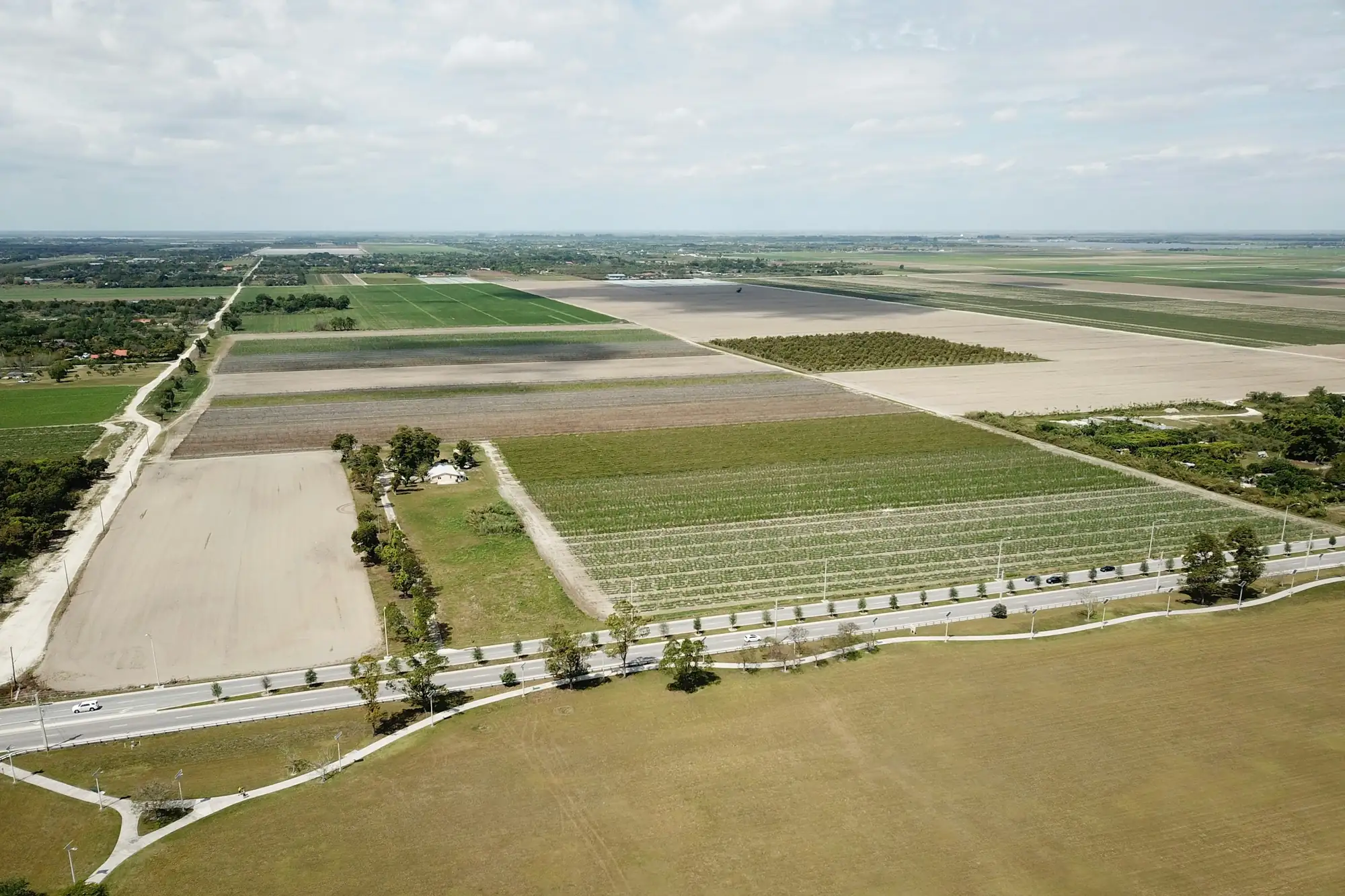
A vacant land loan is short-term financing secured by undeveloped or partially developed real estate, used to acquire a lot or parcel before building, entitling, or reselling it. Private Loans US vacant land loans in Florida fund up to 60% of appraised value on entitled lots and up to 50% on raw acreage, on 12 to 24 month interest-only terms.
Land is the hardest thing to finance in real estate. Ask anyone who's tried.
Banks don't like it because there's no income and no structure to insure. Most hard money lenders don't like it because they don't understand entitlements and don't want to learn. So investors who find good dirt — an infill lot in a neighborhood where new builds are selling, twenty acres near a growth corridor, a teardown where the land is worth more than the house — end up paying cash or losing the deal.
We lend on land because we understand what makes a parcel worth money in Florida, and we're willing to do the work to underwrite it.
What Kinds of Land We Finance
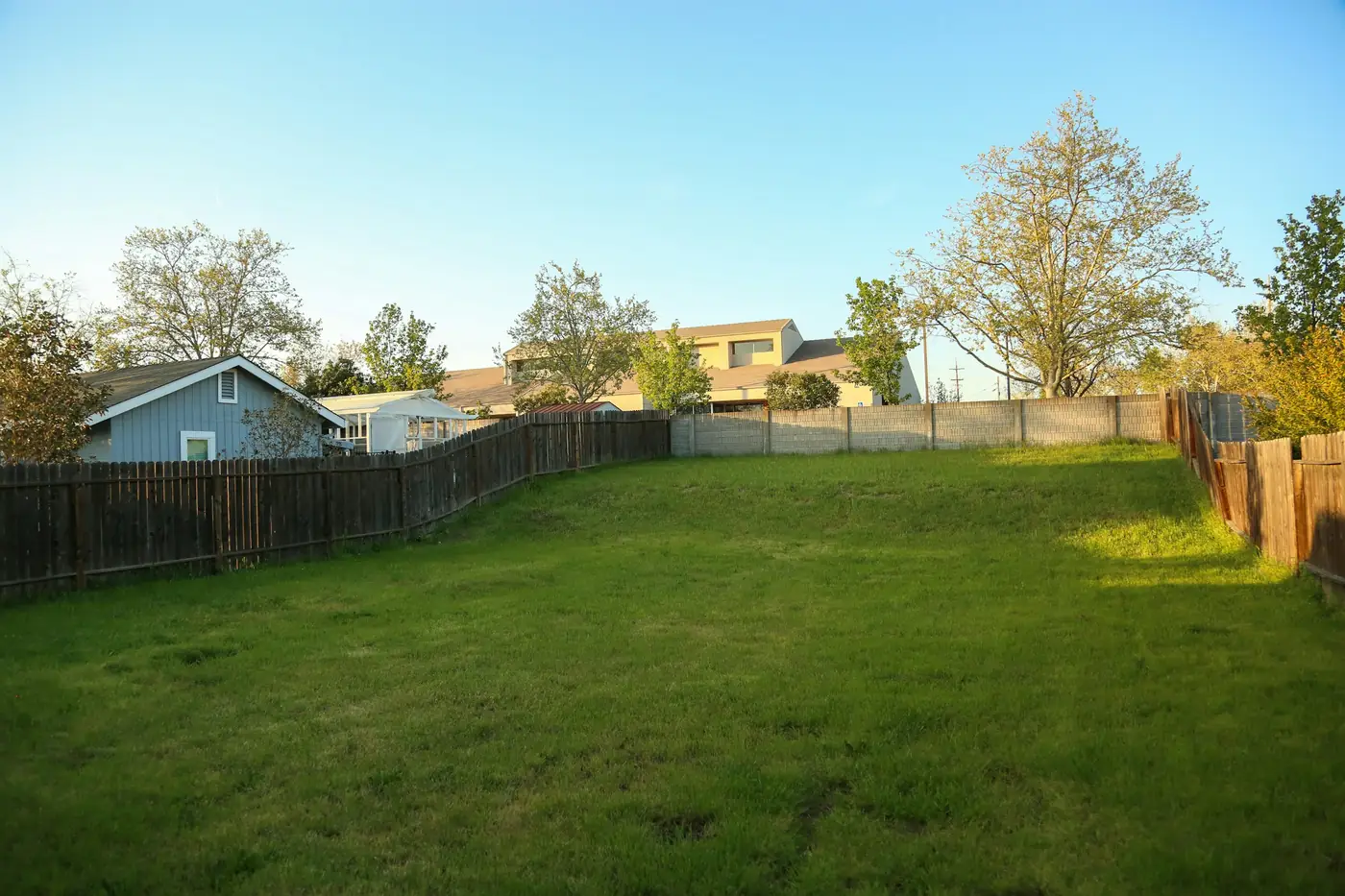
- Entitled residential lots.
- Platted, zoned, utilities at or near the lot line, ready to permit. This is the easiest land to lend on and gets the best leverage. Infill lots in Tampa, Orlando, Jacksonville, and their first-ring suburbs are our bread and butter.
- Raw acreage with a plan.
- Unplatted land where you're doing the entitlement work — rezoning, subdivision, site plan approval. Lower leverage because there's more risk, but we'll fund it if the plan is realistic and you've done your homework on the county.
- Teardown lots.
- A house that's worth less than the dirt under it. Common in older coastal neighborhoods and anywhere new-construction comps have run away from the existing stock. We'll lend on land value and ignore the structure.
- Commercial and mixed-use land.
- Case by case. Depends heavily on location and the strength of the end use.
What we generally won't do: agricultural land you intend to keep farming, parcels that are majority wetlands with no mitigation plan, or land in areas with no comparable sales.
How We Evaluate a Florida Land Deal
You're going to hear a lot about exit strategy on this page, and that's because with land, the exit is the entire loan. A house has rental value even if the flip goes sideways.
So the first question is: what are you going to do with it, and when? The three exits we see most are build on it (with us or someone else — see our ground-up construction program), sell it entitled to a builder, or hold it through a growth cycle and sell. Each gets underwritten differently.
Then the land itself:
- Zoning and entitlements.
- What's it zoned, what's it approved for, and how far is it from a permit? We'll pull the county records ourselves.
- Utilities and access.
- Water, sewer or septic feasibility, power, legal road access. Septic permits through FDOH can take longer than people expect, and a lot without sewer access in a county that's tightening on septic is a different animal than one with a tap fee already paid.
- Flood zone and wetlands.
- We'll want the FEMA zone and, for acreage, a wetlands delineation or at least the NWI overlay. A parcel that's 40% jurisdictional wetlands is a 60%-of-the-acreage deal, and the appraisal should reflect that.
- Comps.
- Recent land sales, not lot-plus-house sales backed into a land value.
Your experience and liquidity matter more here than on any other product. Land carries. You need to be able to pay the interest and the taxes for the full term without the property generating a dime.
Land just sits there costing you taxes.
Why Land in Florida Is Its Own Category
Florida adds a few layers you won't find in most states, and if your lender isn't asking about them, that's a problem.
Impact fees are real money.
Some counties charge $15,000–$30,000+ per residential unit in school, road, and utility impact fees at permit. That affects your build cost, which affects your exit, which affects how we underwrite the land. Know the number before you're under contract.
Concurrency and growth management.
Certain counties limit new permits based on infrastructure capacity. A lot that can't get a certificate of concurrency isn't a buildable lot yet.
Coastal construction control lines and wind zones.
Anything seaward of the CCCL or in a high-velocity hurricane zone is buildable — but more expensively, with more engineering, and your exit buyer knows it.
Water.
Well permits, aquifer protection zones, Water Management District approvals for anything involving drainage or fill. Slow, and unavoidable.
None of this means don't buy Florida land. It means buy it with your eyes open, and borrow from someone who's read a county comprehensive plan before.
A Real Example: Infill Lot in a Growth Corridor
Program Terms
Typical terms for vacant land loans. Final pricing is based on the asset, leverage, and your exit.
How to Get a Land Loan From Private Loans US
Submit the Get Started form with the parcel address or ID, purchase price, and your plan for the land. Be specific about the exit.
Terms in 24 hours. For raw acreage, expect a follow-up call to talk through entitlements.
We order valuation and pull county records. You send us the survey if you have one and any entitlement documents.
Close and fund. Land closings run 10–14 days on average because appraisals take longer.
Land Loan Questions
Ready to Fund Your Next Deal?
Tell us about the property. We'll send terms within 24 hours.